


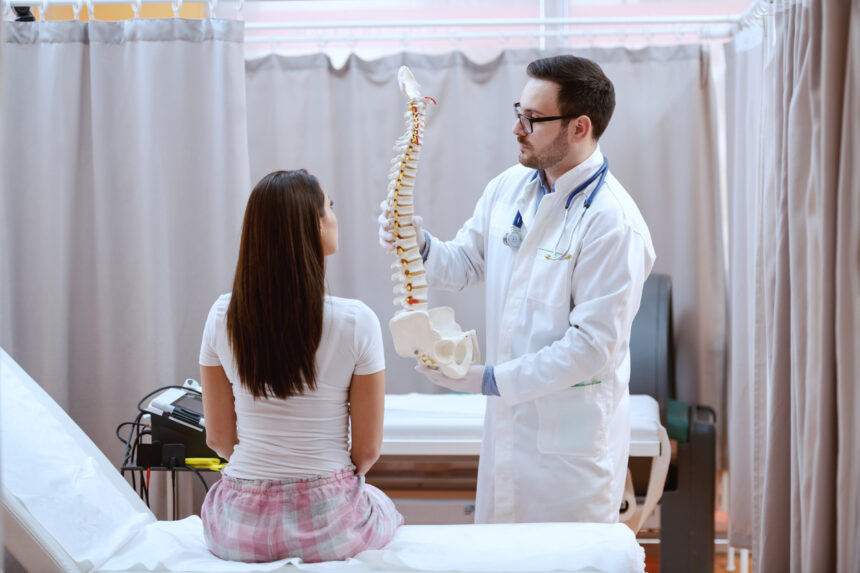
Orthopedic issues require precise medical attention. An experienced orthopedic surgeon offers targeted treatments, and they guide your recovery. You want a doctor who understands your condition, since expertise may improve satisfaction.
Qualifications and Clinical Training
Board certification shows an orthopedic surgeon has completed advanced medical training. Doctors maintain their clinical skills, and they pass exams through ongoing education. Check their credentials before your visit, since specialized training may make a difference. Ask about their educational background and ongoing education. Hospital affiliations show that a surgeon operates in quality facilities. Top hospitals enforce strict safety protocols. Check your surgeon’s privileges, since facility resources affect recovery, and quality care helps prevent complications. Surgeons with hospital affiliations have access to specialized tools and support, and these settings provide comprehensive care. Experienced doctors often work with skilled teams. An anesthesiologist works alongside the surgeon, and specialized nurses monitor your vital signs. Research the surgical center beforehand.
Expertise in Specific Conditions
Some doctors focus on lower back pain or manage neck pain, while others treat scoliosis or kyphosis. Orthopedic specialists treat a range of musculoskeletal problems. Orthopedic surgeons also address herniated or bulging discs, spondylolisthesis, and injuries affecting the spine or surrounding muscles. In some settings, pain management for sciatica and nerve-related discomfort is available, as well as options for disc disease or fractures. Ask your surgeon whether they frequently treat your specific diagnosis and discuss their experience with your area of concern.
Treating certain conditions may require specialized knowledge, so your doctor should be familiar with your needs. Some surgeons offer minimally invasive procedures, such as decompression or spinal fusion, to address symptoms and support mobility. Surgeons analyze spinal alignment and structural issues, using updated techniques and available technology as needed. Each musculoskeletal condition has unique interventions, so matching your diagnosis with clinical expertise is necessary. Consult an orthopedic surgeon familiar with your diagnosis, so you can better understand your options and treatment strategies.
Solutions for Pain and Mobility
Modern medicine offers multiple treatment pathways for orthopedic conditions, allowing patients to access a range of options. A competent surgeon discusses pain management in detail and describes the possible surgical options that relate to your needs. Minimally invasive surgery includes techniques such as decompression, posterior or posterolateral fusion, and lateral interbody fusion. They sometimes provide functional recovery advantages, depending on the case. Minimally invasive approaches are used when appropriate to support healing and minimize tissue disruption. Surgeons also discuss spinal fusion procedures if your condition involves structural changes or if additional support is recommended for your spine. Your treatment plan is based on careful evaluation, and it is a shared decision with your care team.
Book an Orthopedic Surgeon Today
Your health requires careful logistical planning. Review your medical records, and write down any specific questions you have. Bring your symptom notes to your consultation, as preparation leads to clearer communication and more precise recommendations. Organize your imaging reports before the appointment. Arrive early to complete necessary paperwork, and bring a list of your current medications. Proactive steps matter, and they can aid discussions during your medical visit. Schedule your evaluation with a certified orthopedic surgeon.