


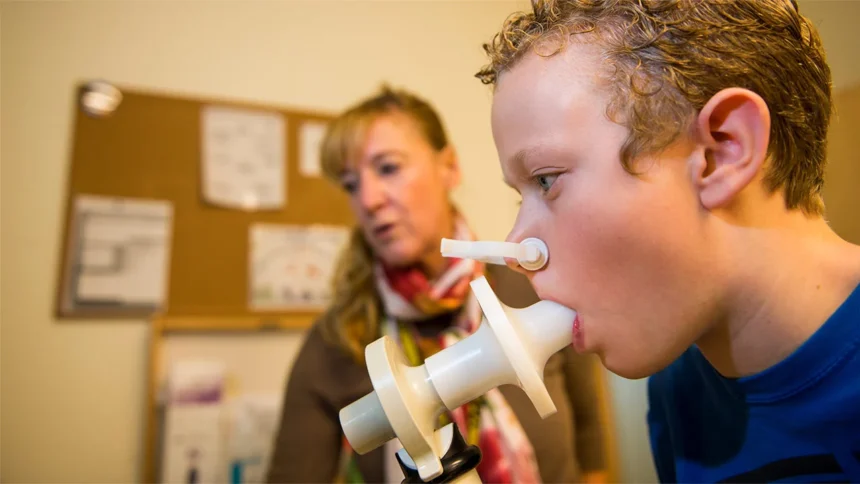
A child’s ability to breathe properly is fundamental to their overall health and development. Pulmonary function refers to how well the lungs work, and various factors can lead to problems in this area for children. Understanding the potential causes can help parents and caregivers recognize signs and seek appropriate medical guidance. A number of conditions and external factors can affect a child’s pulmonary function, including respiratory illnesses and environmental exposures.
Respiratory Conditions
Certain respiratory conditions play a role in pulmonary function difficulties in children. A common chronic disease, asthma causes inflammation and airway narrowing, leading to wheezing, coughing, and shortness of breath. This condition directly affects how efficiently air moves in and out of the lungs.
Bronchopulmonary dysplasia (BPD) can develop in premature infants who require oxygen therapy, resulting in long-term breathing problems due to abnormal lung development. These types of underlying breathing problems can require ongoing management to address their impact. A child’s pulmonary function can be altered by such conditions.
Environmental Factors
A child’s surroundings play a role in their respiratory health. Several environmental factors are known to trigger or worsen breathing problems in children, such as:
- Secondhand smoke: The toxins in tobacco smoke are linked to irritation in a child’s developing lungs, increasing the likelihood of respiratory infections and asthma.
- Air pollution: Pollutants from traffic and industrial sources, including ozone, particulate matter, and nitrogen dioxide, are associated with triggering or worsening breathing issues.
- Allergens: Common household allergens such as dust mites, pet dander, mold, and cockroach droppings can trigger allergic reactions that may inflame the airways and affect lung function.
Genetic Factors
Some children are genetically predisposed to pulmonary issues. Cystic fibrosis, an inherited disorder, affects cells that produce mucus, sweat, and digestive juices. In the lungs, it causes thick, sticky mucus that clogs airways, traps bacteria, and leads to persistent infections and lung damage. Another genetic condition, alpha-1 antitrypsin deficiency, increases the risk of lung disease, though it typically appears in adulthood. These conditions can impact a child’s respiratory health.
Infections
Respiratory infections, such as respiratory syncytial virus (RSV), can impair a child’s pulmonary function. When severe, these infections may cause bronchiolitis, an inflammation of the small airways, or lead to pneumonia that scars the air sacs. Such damage often results in long-term respiratory challenges.
While many children recover fully, severe infections often leave a long-term impact on a developing respiratory system. Severe RSV, in particular, is a recognized risk factor for the subsequent development of asthma. Careful medical management of these conditions is helpful to preserve lung health as your child grows.
Lifestyle Factors
Daily habits and lifestyle choices are factors in a child’s respiratory development. Some factors play a role in maintaining optimal lung health, such as:
- Physical Activity: A sedentary lifestyle sometimes leads to reduced lung capacity. Conversely, regular exercise strengthens respiratory muscles and improves the efficiency of oxygen exchange.
- Nutrition: A diet deficient in antioxidants and nutrients may hinder the body’s ability to combat inflammation and infections.
- Overall Wellness: Encouraging a healthy, active lifestyle provides the necessary foundation for strong lung development and long-term pulmonary function.
Monitor Children’s Pulmonary Function
Understanding these contributors is a step toward monitoring your child’s respiratory health. If you notice persistent symptoms or have concerns regarding pulmonary function, professional guidance is helpful. Consult a qualified healthcare provider for a thorough clinical assessment to make sure your child gets the proper care and support.