


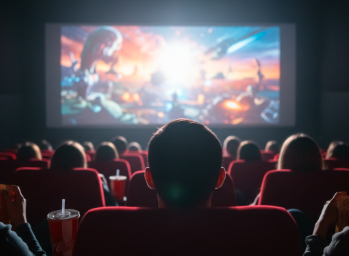
In today’s rapidly evolving entertainment landscape, cinema management has become a critical function for theatre operators looking to remain competitive, efficient, and profitable. Gone are the days when running a cinema was simply about screening films and selling tickets. Modern cinema operations now involve complex coordination across ticketing systems, concessions, scheduling, marketing, customer experience, and data analytics, all of which must work together seamlessly to deliver both operational efficiency and audience satisfaction.
The modern cinema industry has undergone a massive transformation over the past decade. With the rise of streaming platforms, changing audience expectations, and fluctuating footfall trends, theatres have had to rethink how they operate. Cinema management is no longer just about maintaining screens and managing staff. It has evolved into a data-driven, technology-supported discipline that focuses on optimizing every touchpoint of the customer journey.
At the core of effective cinema management is operational integration. A cinema is not a single system but a network of interconnected processes. Ticketing, seat allocation, concessions, show scheduling, staff management, and reporting all need to be aligned. When these systems operate in silos, inefficiencies arise. For example, poor coordination between ticket sales and seat management can lead to overbooking or underutilization. Similarly, lack of integration between concessions and inventory systems can result in stock shortages or wastage.
Technology has become the backbone of modern cinema operations. Theatre operators are increasingly adopting centralized management platforms that allow them to oversee multiple locations from a single interface. This is particularly important for cinema chains that operate across different regions. Centralized systems enable real-time monitoring of ticket sales, occupancy rates, and revenue streams, allowing managers to make informed decisions quickly.
Another key area where cinema management has evolved is in scheduling and programming. Selecting the right films, allocating screen time, and adjusting showtimes based on demand are critical decisions that directly impact revenue. Advanced systems now use historical data, audience trends, and predictive analytics to optimize scheduling. This ensures that high-demand films receive adequate screen time while minimizing underperforming slots.
Customer experience has also become a central focus. Today’s audiences expect more than just a movie. They expect convenience, personalization, and seamless interactions. Online ticket booking, mobile apps, digital payments, and automated kiosks have become standard features in many cinemas. Effective cinema management ensures that these systems work together to provide a smooth and enjoyable experience for customers.
Data plays a crucial role in shaping modern cinema strategies. By analyzing customer behavior, cinemas can gain insights into preferences, peak hours, and purchasing patterns. This information can be used to tailor marketing campaigns, optimize pricing strategies, and improve overall service delivery. For instance, understanding which showtimes are most popular can help in adjusting schedules to maximize occupancy.
Marketing is another area where cinema management has seen significant advancements. Traditional advertising methods are no longer sufficient in attracting audiences. Digital marketing, social media engagement, and targeted promotions have become essential tools. By leveraging data, cinemas can create personalized offers and promotions that resonate with specific audience segments.
Staff management is equally important in ensuring smooth operations. Cinemas often operate with a mix of full-time and part-time staff, especially during peak hours. Efficient scheduling, training, and performance monitoring are essential components of cinema management. Technology can assist in automating staff schedules and tracking productivity, allowing managers to focus on improving service quality.
Revenue management has also become more sophisticated. Dynamic pricing strategies, similar to those used in airlines and hotels, are now being explored in the cinema industry. Prices can be adjusted based on demand, time of day, and seat location. This approach helps maximize revenue while still offering value to customers.
Concessions remain a major revenue driver for cinemas. Effective inventory management, pricing strategies, and product offerings can significantly impact profitability. Cinema management systems can track sales patterns and help operators identify which items are performing well and which need to be adjusted.
Security and compliance are additional considerations in modern cinema operations. Ensuring the safety of customers and staff, managing digital rights for film screenings, and complying with local regulations are all part of the broader management framework. Technology can assist in monitoring and enforcing these requirements.
The integration of artificial intelligence and automation is set to further transform cinema management. AI can be used for predictive analytics, customer recommendations, and even automated customer service through chatbots. Automation can streamline repetitive tasks, allowing staff to focus on enhancing the customer experience.
Sustainability is another emerging focus. Cinemas are increasingly looking at ways to reduce energy consumption, manage waste, and adopt eco-friendly practices. Effective management systems can track resource usage and identify areas for improvement.
In conclusion, cinema management has evolved into a complex and dynamic field that requires a combination of technology, data, and strategic thinking. As the industry continues to change, theatres that invest in modern management practices will be better positioned to succeed. The future of cinema lies not just in the films being shown but in how effectively the entire operation is managed.