

Copper sits at the center of modern industry — from EVs and renewable energy to wiring and plumbing — and rising demand has pushed prices to multi-year highs. If you want exposure to industrial growth and the energy transition, copper offers a clear route: invest through producers, ETFs, or physical and futures markets depending on your risk tolerance and time horizon.
This article will explain how copper fits into global markets, what drives price swings, and practical strategies for investing in copper without taking unnecessary risk. You’ll get a concise map of the options and the trade-offs so you can decide whether copper belongs in your portfolio.
Copper’s Role in Global Markets
Copper underpins power, transport, and construction systems worldwide. It links energy transition demand, concentrated production, and price swings driven by macro cycles and supply disruptions.
Industrial Applications and Demand Drivers
You rely on copper for electrical wiring, motors, and renewable-energy infrastructure because of its conductivity and durability. Electric vehicles (EVs) use roughly 3–4 times more copper than internal-combustion cars, and utility-scale solar, wind farms, and grid upgrades require large cable networks and transformers.
Industrial demand breaks down into clear segments:
- Building construction: wiring, plumbing, HVAC components.
- Power generation & transmission: transformers, conductors, substations.
- Transportation: EVs, charging stations, rail electrification.
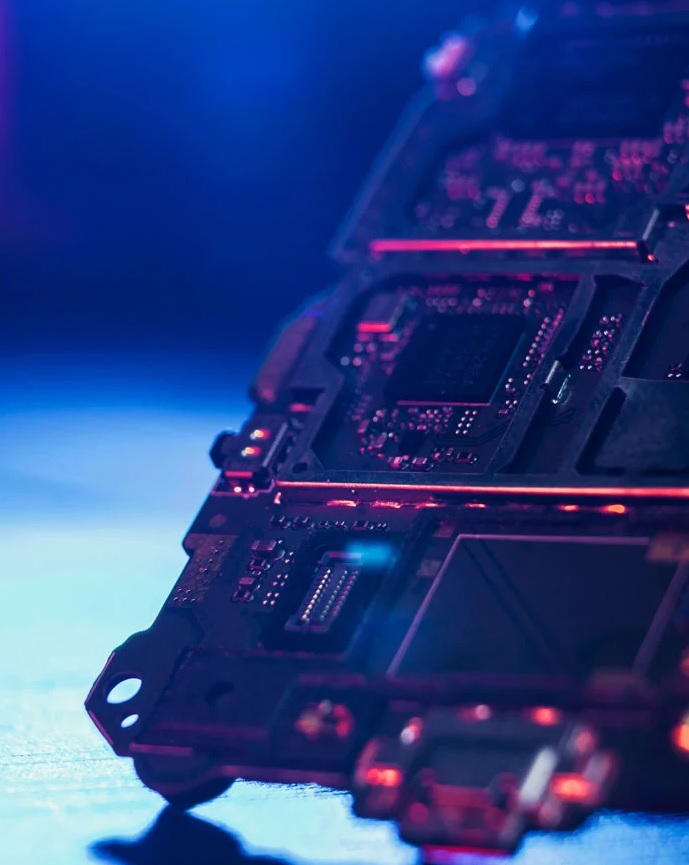
- Electronics & appliances: circuit boards, connectors.
Policy-driven targets for electrification and grid modernization create predictable, multi-year demand for copper, while recycling (about 30% of global supply in 2025) cushions primary supply needs.
Major Producing Countries and Supply Chains
You should watch Chile and Peru, which together supply a large share of mined copper. Other key producers include China (both mining and large refining capacity), the U.S., Democratic Republic of Congo (growing output), and Australia.
Supply chains concentrate risk at several points:
- Mining: few large-scale open-pit mines dominate output.
- Concentration & refinement: smelting and refining capacity clusters in specific countries, notably China.
- Logistics: port bottlenecks and transport strikes can disrupt shipments quickly.
Downstream processing and local value-add policies in exporting countries can shift trade flows and margins. Tax, permitting, and community relations at major mines directly affect project timelines and future supply.
Market Volatility and Influencing Factors
You face price volatility from cyclical demand and episodic supply shocks. Economic growth in manufacturing centers (China, India) drives demand surges, while recessions reduce copper-intensive activity, creating sizable price swings.
Key volatility drivers:
- Inventory levels on exchanges (LME, SHFE) and reported stock movements.
- Capital investment cycles: underinvestment in new large mines leads to tight markets over time.
- Geopolitical risk and trade policy: export controls or tariffs disrupt flows.
- Energy costs and labor actions: smelting and mining are energy- and labor-intensive, so cost shocks transmit to prices.
Market sentiment and financial flows (hedging, ETFs) amplify moves; when investors reallocate between commodities and equities, copper prices can overshoot fundamentals for short periods.
Strategies for Gaining Exposure
You can gain copper exposure by holding the metal itself, by owning companies that produce it, or by using financial products that track its price. Each route differs in cost, liquidity, tax treatment, and operational complexity.
Physical Copper Versus Financial Instruments
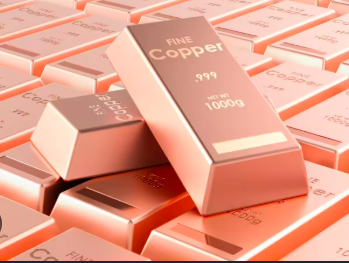
Holding physical copper gives you direct ownership and removes counterparty risk from financial products. Typical forms are copper cathodes, rounds, or coins; storage, insurance, and transport add material costs. You should expect higher transaction spreads and difficulty selling small, non-standard lots compared with traded instruments.
Financial instruments include futures, spot-backed ETFs, and tokenized copper. Futures provide the most direct price exposure but require margin and roll management; they suit experienced traders. Spot-backed ETFs simplify custody and trading through a brokerage, but they charge management fees and may not hold 100% physical metal. Tokenized copper platforms offer fractional ownership and easier settlement, yet they introduce platform and regulatory risk. Choose based on your need for liquidity, cost sensitivity, and operational capacity.
Copper Mining Stocks and ETFs
Buying mining stocks gives you leveraged exposure to copper price moves plus company-specific risks like mine costs, permitting, and geopolitics. Focus on producers with low all-in sustaining costs, proven reserves, and stable jurisdictions. Juniors can deliver large upside but carry exploration and financing risk; majors provide steadier dividends and balance-sheet resilience.
ETFs offer diversified exposure: producer-focused ETFs concentrate on mining equities, while commodity ETFs track copper prices directly. Equity ETFs reduce single-company risk but still correlate with broader equity markets. Check expense ratios, turnover, and whether the ETF holds physical metal, futures, or equities before investing. Use position sizing to limit single-asset risk.
Risks and Opportunities in Copper Investments
Demand growth from electric vehicles, grid electrification, and renewable infrastructure supports long-term copper demand, creating potential upside. Supply constraints — aging mines, underinvestment, and grade declines — can tighten markets and boost prices, especially if recycling and substitution lag.
Key risks include price volatility, regulatory changes in producing countries, operational disruptions, and technological shifts that reduce copper intensity. Financial products add counterparty, roll, and management-fee risks. Manage these by diversifying across instruments, setting stop-loss or hedge strategies, and stress-testing scenarios for price declines and supply shocks.