


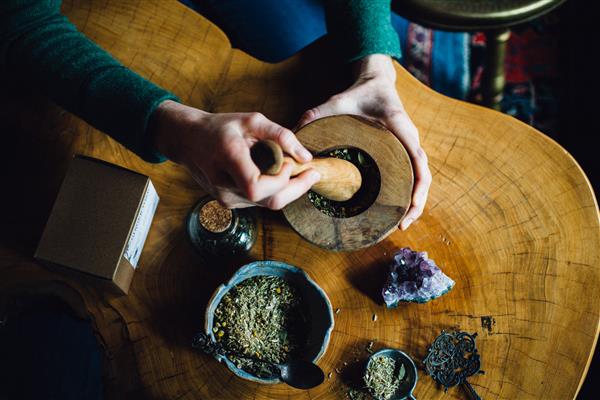
Making apothecary products at home gives you more control over the ingredients and effects of each batch. You can create soaps, perfumes, candles, bath bombs, and various other personal care products. Look for apothecary shops that provide high-quality supplies to support your premium line of custom products. Here are a few tips for creating your own apothecary item:
Get the Right Supplies
The apothecary item you plan to create determines the supplies needed. For soaps made using lye or melt-and-pour bases, supplies may include ingredients, molds, packaging, and labels. Preparation and storage will also require heat sources and containers, including dark or amber-colored bottles.
If you choose ready-to-package soap bars and loaves, you won’t need molds or heating. Ingredients directly influence the final apothecary products, so look for high-quality supplies. The bases, fragrance oils, additives, and colors should all align with the intended product’s quality.
Choose well-preserved seeds and dry botanicals for your soaps, and premium dyes and waxes for the candles. If you’re making perfumes, you will want high-quality essential oils. Even with ready-to-label products, stick to top-rated products that feature premium ingredients. The glass jars, measuring spoons, droppers, and digital scales should also be durable and reliable for accurate ratios.
Work with a Recipe
A recipe features the proper ingredients and proportions required to create specific apothecary items. Making products like soaps, lip balms, and candles involves choosing from several core categories, each with its own set of ingredients, tools, and formulation options. For carrier oils, you can use coconut, almond, or jojoba.
Candle waxes also vary, with apothecary shops offering soy, beeswax, and petroleum options. With a recipe, you get tested, basic formulations. You can also get a soap-making or candle-making book with various recipes. Attempt to recreate the basic products and find new ways to personalize the recipe using custom ingredients, additives, and combinations.
Create Samples First
Unless you’re experienced in creating a particular apothecary product, start simple and make small batches for sampling before moving on to more complex recipes. Experiment with combinations and blend different botanicals to achieve specific benefits, such as soothing, energizing, or refreshing. Keep notes on measurements, such as the essential oil-to-fragrance oil ratio, and track results. These notes help you refine the process and recreate successful blends. Bulk produce apothecary items only after you’ve mastered the proportions and procedure to avoid waste.
Follow Safety Requirements
The herbs and essential oils in apothecary items are not always suitable for everyone. Make sure to research each ingredient before use and label your products accurately to encourage safe use. You can also perform a patch test when applying something new to your skin.
Wear gloves and other protective gear when handling concentrated essential oils, lye, and other chemicals to protect your skin. Label supplies, including ingredients and expiration dates, to track freshness and prevent mix-up. Sanitize your setup and tools before and after use to preserve your supplies and prevent contamination.
Your ingredients and finished products also need safe storage, preferably away from light, heat, and air, which can degrade them. Use dark glass containers and keep lids tightly sealed. Since homemade products tend to have a shorter shelf life, make smaller batches and use them regularly.
Start Making Apothecary Products Today
You can make apothecary items at home using natural carrier oils, butters, waxes, and essential oils. Simple recipes offer a starting point for basic formulations. They also allow you to tweak proportions and ingredients to achieve unique results. Contact an apothecary products supplier today to find all the ingredients you need to start making premium personal care items.