


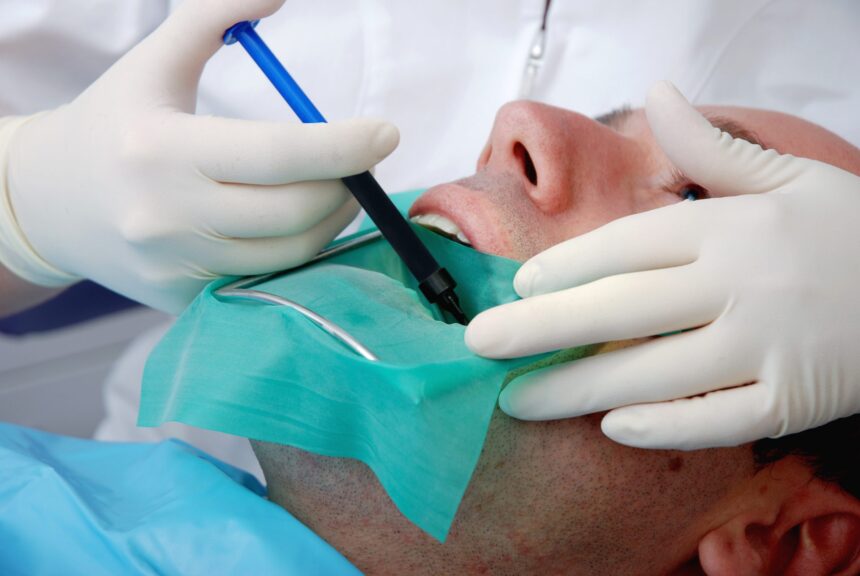
A root canal is a dental treatment used to repair and save a tooth that is badly decayed or has become infected. This procedure addresses problems within the soft core of the tooth, known as the dental pulp, which contains nerves, blood vessels, and connective tissue. When this pulp becomes damaged, bacteria can multiply within the pulp chamber, leading to an infection or abscess at the root tip. Damage typically occurs due to deep decay, repeated dental procedures on the tooth, or large fillings, and sometimes a crack or chip in the tooth allows bacteria to enter.
Root Canal Procedure
A root canal usually requires one or two visits, depending on the complexity of the case. The dentist takes an X-ray to check the root canal shape, and they look for infection in the surrounding bone. Local anesthesia is then administered to numb the area near the tooth, helping the patient remain comfortable throughout the treatment.
Once the tooth is numb, the dentist places a rubber dam (a sheet of rubber) around the tooth to keep the area dry and free of saliva, and then an access hole is drilled into the tooth to reach the infected pulp. The damaged pulp, along with bacteria and decayed nerve tissue, is removed from the tooth using a series of root canal files, and the inside of the tooth is thoroughly cleaned. Water or sodium hypochlorite is used periodically to flush away debris and disinfect the area. The cleaned canals are filled with a rubber-like material called gutta-percha. The access hole created at the start of the procedure is sealed with a temporary or permanent filling.
Patient Recovery
Most patients can return to their normal daily activities the day after the procedure. The numbing medication wears off in a few hours, so avoid chewing on the treated tooth until full feeling returns. You might experience some sensitivity for a few days, especially if you had pain or an infection before the procedure.
During the recovery period, it is recommended to maintain good oral hygiene. Brushing and flossing should continue as normal, but you should be gentle around the treated area. If a temporary filling was placed, you will need to return to your dentist for a permanent restoration, such as a crown, to fully protect the tooth from future damage. This final step is needed for restoring full function to the tooth.
Pain Management
Managing discomfort after a root canal is typically straightforward and can be handled at home. Many patients find that over-the-counter pain relievers like ibuprofen or acetaminophen are enough to ease soreness after the anesthesia dissipates. Your dentist may provide specific instructions on which medication to take and the appropriate dosage. Apply an ice pack to reduce inflammation and numbness, and eat soft foods for a few days to reduce pressure on the healing tooth. Avoiding hard, crunchy, or sticky foods will prevent unnecessary irritation to the treated area. If the pain becomes severe or persists for more than a few days, contact your dental provider immediately.
Talk to Your Dentist Today
While learning about the procedure can help reduce anxiety, every patient’s situation is unique. Your dentist can assess your dental needs and decide if a root canal is right for you. They can answer your questions, explain the process in detail, and provide personalized advice for your comfort and health. Don’t hesitate to reach out to your dental office to schedule a consultation.