


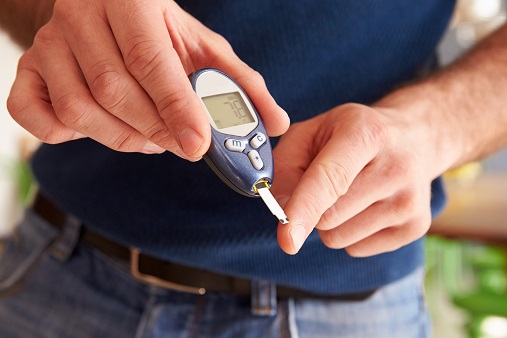
Diabetes affects millions of people worldwide. It presents specific health challenges to men, impacting multiple areas, including urology; it remains a significant factor in overall wellness. Examining its relationship to men’s health concerns, especially within the field of urology, helps build awareness; understanding these connections can improve prevention and treatment strategies.
Diabetes and Urology Concerns
Low testosterone occurs in some men and has a connection with diabetes, particularly within the field of urology. Men with diabetes face an increased likelihood of low testosterone, and at the same time, lower testosterone may also be associated with a greater chance of developing diabetes. Hormonal regulation is an intricate process. Men may use therapies for low testosterone, but those therapies do not replace diabetes management; blood sugar control must continue even when men seek help for hormonal levels. This dual focus supports better management of both concerns within the scope of urological health.
Diabetes and Erectile Dysfunction
Erectile dysfunction remains more common in men with diabetes. The Centers for Disease Control and Prevention report that high blood sugar can lead to damage to nerves and blood vessels, which is necessary for erectile function. Diabetic men may develop erectile dysfunction 10 to 15 years earlier than those who do not have diabetes. While discussing sexual health may feel challenging, it represents a documented outcome related to diabetes, and men experiencing this complication can access a range of treatment options. Ongoing blood sugar control can lower the risk of nerve and blood vessel issues linked to erectile dysfunction, and managing this process may support sexual health.
Diabetes and Other Complications
Diabetes contributes to additional health complications for men. National public health data highlight elevated risks for heart disease and stroke. Diabetes is a leading cause of heart disease; men already face a higher risk for heart problems compared to women. When diabetes is present, it further increases the likelihood of cardiovascular events; it can also result in kidney disease, nerve damage (neuropathy), and changes to vision due to eye problems. Complications such as blindness have a well-established association with diabetes progression.
Careful attention to blood sugar, blood pressure, and cholesterol aligns with helpful care; these efforts work together to lower the chances of serious outcomes. Mental and emotional well-being also intersect with diabetes management for men. Living with this condition often involves ongoing monitoring and lifestyle adjustments, which may influence stress levels and daily routines; some men experience anxiety or frustration related to treatment requirements. Consistent support from healthcare providers contributes to improved self-care and helps men navigate the changes that diabetes can bring.
Find a Clinic
Diabetes affects many dimensions of men’s health, including key aspects of urology, and its impact includes hormonal changes, sexual function, and systemic complications. Lower testosterone levels, a higher probability of erectile dysfunction, and an increased risk of heart disease or stroke all have established relationships with diabetes in men. Complications can also appear in the kidneys, eyes, and nerves. Public health sources guide risk factors and suggest active diabetes management. Monitoring blood sugar, blood pressure, and cholesterol can help reduce complications and support long-term wellness.