


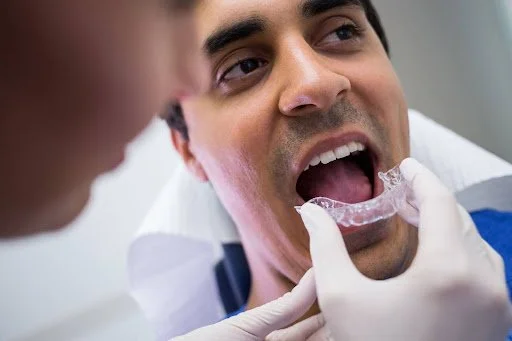
Adults can seek solutions for crooked teeth. Invisalign offers a subtle approach, and professionals provide it. Invisalign fixes crowding, and they close gaps. If you have crooked teeth, you can seek treatment and improve your smile.
Appearance of Veneers
Invisalign remains nearly invisible during daily use. Veneers cover crooked teeth, but Invisalign moves overlapping structures into new positions. If you prefer a subtle approach, avoid metal braces and use clear trays. Adult patients may wonder if orthodontic treatment will be noticeable. Invisalign’s clear design offers a discreet option for social and professional settings. These trays could draw less attention than traditional braces. Invisalign trays are transparent, so their appearance changes little while teeth adjust. Crowns hide surface flaws in teeth, but they are temporary. Whitening removes stains, but it does not address alignment. Dentures replace missing teeth, while Invisalign improves the alignment of your natural teeth. Clear trays fit closely and match the look of your enamel. Transparent plastic keeps treatment subtle, so you maintain your professional look. The clear material lets users smile and speak without visible wires.
Protection of Your Teeth
Crowns may require some enamel removal, while clear aligners do not. Dentists protect natural tooth enamel. When patients select veneers, dentists permanently alter tooth structure. Invisalign improves alignment without drilling or reshaping healthy teeth. Other options, such as crowns or veneers, often require permanent alterations. Aligners shift existing teeth without altering them. Crowns cover damaged teeth. Removable trays fit many routines; remove them for eating and cleaning. Removability supports oral hygiene during treatment. You notice minimal impact on your routine and less need for unexpected dental visits. Dentures require periodic adjustments. Invisalign uses trays that guide teeth into new positions. Implants involve oral surgery, and aligners are a non-surgical option. Healthy teeth benefit from careful treatment. You keep your natural bite and avoid invasive drilling. If you want to preserve your enamel, avoid veneers and use aligners.
Goal of Treatments
Proper bite alignment supports daily chewing. Dentures replace lost teeth; they require a lot of maintenance. If a patient has TMJ, aligners help adjust the bite and may reduce joint strain. A misaligned bite affects how you eat and speak. Invisalign adjusts teeth and jaws over time, which improves your ability to chew. Unlike dentures, aligners correct alignment, and they let you remove trays before eating. Because trays are removable, you do not need to follow a special diet. Overlapping teeth are harder to clean.
You brush and floss as usual since the clear trays come out easily. This routine supports simple cleaning and daily care. When teeth are less crowded, food debris is less likely to get trapped. Brushing becomes more effective, and it helps you reach all surfaces. Crowns hide tooth flaws temporarily. Whitening removes surface stains, but it leaves the teeth misaligned. While dentures replace missing teeth, aligners reposition existing teeth and maintain a natural aesthetic.
Schedule Your Invisalign Evaluation
You can choose veneers or explore clear aligner therapy. Your plan is personal. Straight teeth improve health, so consult a dentist and start treatment. You evaluate your choices and select the most effective solution. When ready, call a provider and book an exam.