


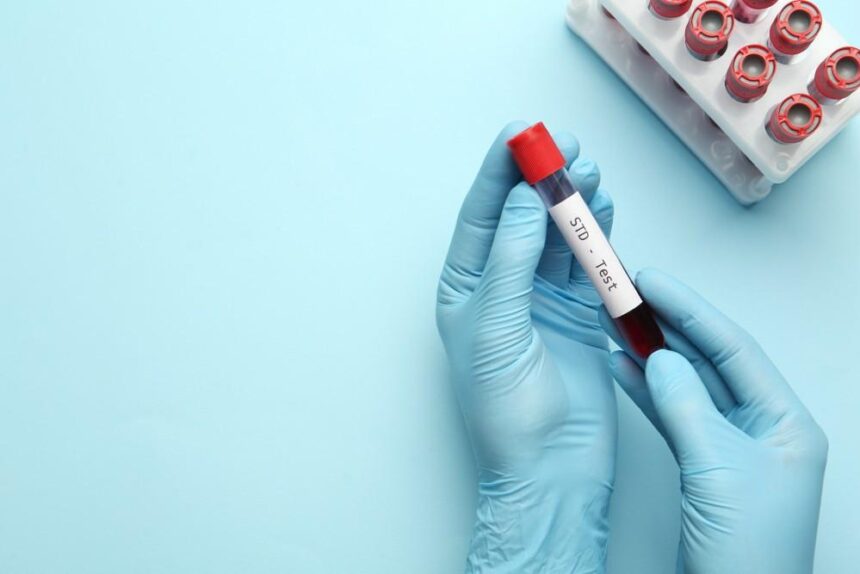
Sexual health is a part of overall health. Many STDs have no symptoms, leading to unintentional transmission. Untreated infections can cause complications like infertility or systemic damage, making routine STD screening beneficial for early detection and management.
Explore STD Test Types
Testing options are categorized by the type of pathogen involved, with bacterial infections requiring different methods than viral infections. For an std screening, providers often order a panel to test for multiple common infections at once.
- Bacterial Tests: Detect organisms such as Chlamydia trachomatis or Neisseria gonorrhoeae, which are treatable with antibiotics.
- Viral Tests: Screen for viruses such as HIV, Herpes Simplex, and Hepatitis, which are typically managed with antivirals.
Each test has a distinct window period for accuracy, ranging from days to weeks after exposure.
Choose the Right Screening
A review of your sexual history helps your provider choose the most appropriate testing protocol. The healthcare provider evaluates the number of recent partners and recommends specific tests based on those individual risk factors. Although standard guidelines suggest annual testing for all sexually active adults, those with higher exposure risks may require more frequent evaluations throughout the year.
Honest communication with a doctor supports accurate medical advice. You should disclose details about your use of the barrier method, and you should disclose any particular symptoms you have experienced recently. When you provide a complete picture of your sexual practices, the physician can order the proper std screening.
Decide Where to Test
When it comes to accessing testing services, patients have several options to think about, and the right choice often depends on personal needs and circumstances. Explore some of the available options:
- Private Medical Practices: Offer a familiar and professional environment for testing procedures.
- Public Health Clinics: Frequently provide confidential services at reduced costs, making them a budget-friendly option.
- Local Facilities: Accessibility may vary by location, so researching nearby options is beneficial to find one that fits your logistical needs.
- Insurance Coverage: Most private insurance plans cover routine preventive care. but specialized clinics may offer sliding-scale fees for uninsured patients.
- Community Clinics for Sexual Health: A great option if you prefer to keep testing records separate from your primary medical file.
Understand Testing Methods
Accurate laboratory results depend on the biological samples used. Urine samples are a non-invasive method used to detect chlamydia and gonorrhea. Blood tests are necessary to screen for syphilis and HIV. In some cases, a provider or patient may use a swab to collect cells from specific sites, such as the throat or rectum, and a physical examination allows the doctor to visually inspect for sores or warts.
Compare At-Home and Clinic Options
At-home testing kits offer privacy and convenience. It arrives in discreet packaging for you to collect your own samples before mailing them to a lab. In a clinic, trained staff handle the collection process to confirm accurate analysis, and you must visit a medical facility to verify and receive treatment if you receive a positive result from an at-home test.
Schedule Your STD Screening Today
Maintaining sexual health benefits from adherence to a regular schedule. You can book an appointment with a local provider or order a kit online to begin the diagnostic process immediately. Because knowledge of your status prevents transmission and protects your well-being.