

A plastic surgeon plays a key role in promoting patient safety at every stage of care, from the initial consultation to recovery after a procedure. Careful evaluation, surgical planning, and adherence to established medical standards help reduce risk and support better outcomes. Here is a closer look at the ways a plastic surgeon promotes patient safety:
Strong Surgical Credentials
Medical training provides the foundation for safe surgical practices. A certified plastic surgeon completes years of specialized education to master human anatomy; this extensive background prepares them for complex clinical situations. If a complication arises during a procedure, the doctor relies on their training to resolve the issue quickly. Board certification is a key indicator of competence, and patients should always verify these credentials before scheduling surgery.
Continuing education keeps medical professionals up to date on the latest safety standards. A plastic surgery doctor regularly attends seminars to learn new techniques, and this often translates to safer patient experiences. When surgeons adopt modern clinical guidelines, they reduce the likelihood of operative errors.
Careful Patient Screening
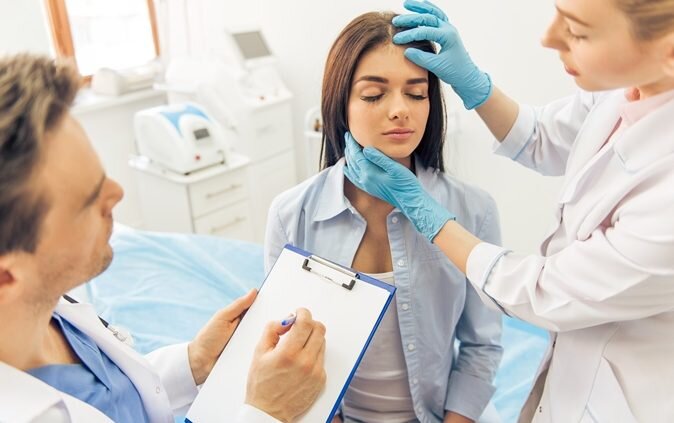
Thorough evaluations help doctors identify potential health risks before surgery begins. A plastic surgeon evaluates your medical history and creates a detailed plan that aligns with your specific physiological needs. Here’s how they screen patients:
- Medical History Review: The doctor examines past illnesses and current medications. This step identifies contraindications that may complicate surgery.
- Physical Examination: A thorough physical assessment determines anatomical suitability for the procedure. This evaluation helps the surgeon set realistic expectations.
- Laboratory Testing: Blood tests and other diagnostics reveal hidden health conditions. The surgical team uses these results to adjust the treatment plan.
These screening steps provide key information for the surgical team. When a plastic surgery doctor gathers this data, it helps them prevent complications.
Accredited Surgical Facilities
The surgical environment plays a fundamental role in patient safety. A reputable plastic surgeon operates in an accredited facility, and these certified centers adhere to strict regulations regarding cleanliness and emergency preparedness. When hospitals meet these rigorous standards, they provide a secure setting for complex procedures. Accredited centers feature advanced medical equipment, and they staff highly trained personnel who monitor patients during procedures.
Proper anesthesia management is another key component of a safe surgical experience. A certified anesthesiologist administers the medication, and they monitor the patient’s vital signs while the surgeon performs the operation. If a patient shows signs of distress, the anesthesia team intervenes immediately to stabilize their condition.
Safe Follow-Up Support
Post-operative care is a fundamental part of the recovery process. A plastic surgeon monitors healing progress, and they educate individuals on how to care for their incisions at home. Here’s how they provide support:
- Incision Care Instructions: The medical team provides detailed guidelines on cleaning wounds. Proper hygiene prevents infections and promotes optimal healing.
- Activity Restrictions: Doctors outline specific physical limitations for the recovery period. Resting appropriately prevents strain on the healing tissues.
- Medication Management: The surgeon prescribes necessary pain relievers and antibiotics. Patients must take these medications exactly as directed to avoid complications.
These educational instructions empower individuals to participate actively in their recovery. A plastic surgery doctor schedules regular follow-up appointments to monitor progress, and they address concerns during these clinical visits.
Consult a Certified Plastic Surgeon
Patient safety relies on a combination of rigorous training, careful planning, and secure surgical environments. A certified surgeon uses these clinical protocols to protect individuals, and they provide comprehensive follow-up care to support optimal recovery. Contact a certified plastic surgeon near you to schedule your consultation today.