


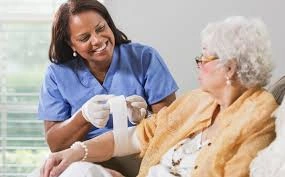
Wounds, whether small cuts or after-surgery incisions, or even those chronic ulcers that just don’t go away easily, need proper care. Otherwise healing does not happen the right way. Sometimes it even gets worse. In Nashville, things are a bit easier now. Expert wound care is more available than before. Not only in clinics, but also at home, which helps many patients. Advanced treatments are there, but also personal attention, which honestly matters just as much. Recovery becomes safer, more comfortable, and in many cases, faster too.
You might need care at home, or maybe you prefer visiting a clinic, both options exist. Specialized wound care services usually don’t follow one fixed method. They adjust according to the patient, because every wound is different, every situation also different.
Iris Medical Group, for example, provides care in a more personalized way. Not rushed, not generic. The focus stays on healing properly and avoiding complications.
Why Professional Wound Care Matters
Wound care is not something to ignore. Many people do that at first, thinking it will heal on its own. Sometimes it does, but sometimes it doesn’t. That’s where problems begin. Infection, slow healing, even scarring, all can happen.
Chronic wounds, like diabetic ulcers or pressure sores, they are more serious. If not treated on time, they can become worse. In some cases, patients even end up needing hospital care, which could have been avoided earlier.
With professional wound care, things are handled more carefully:
- The wound is checked properly, size, depth, condition, everything
- Infection risk is reduced using clean, sterile techniques
- Healing is monitored again and again, not just once
- Pain is managed better, so the patient feels some comfort at least
So yes, proper care does make a difference. It reduces risk, and healing usually becomes quicker, or at least more controlled.
Types of Wounds Treated
Specialists deal with many types of wounds, not just one or two. For example:
- Post-surgical wounds, which need attention after operations
- Chronic wounds, like diabetic foot ulcers or pressure sores
- Injuries like cuts, burns, or abrasions
- Infected wounds, which already show complications
- Skin graft areas or surgical sites needing extra care
Treatment is usually not one single step. It’s a mix. Dressing changes, medications, sometimes debridement, and regular checking. All done step by step.
Benefits of Expert Wound Care
There are some clear benefits, though they may not always look obvious at first:
Faster Healing
When the right methods are used, healing conditions improve. The body responds better. Time reduces, sometimes noticeably.
Infection Prevention
Proper cleaning and dressing, done consistently, helps avoid infections. Without this, even a small wound can turn into a bigger issue.
Pain Management
Pain is something patients worry about a lot. With proper care, it is controlled better. Not completely gone, but manageable.
Personalized Treatment Plans
No two wounds are the same. So treatment also should not be the same. Providers adjust based on what is actually needed, not just routine.
Convenience and Accessibility
Home care is an option now. This helps elderly patients, or those who cannot move easily. It saves effort, and also stress.
How Wound Care Services Work
The process is usually simple, but detailed at the same time:
Step 1: Initial Assessment
The provider checks the wound carefully. Medical history is also reviewed. Small details matter here.
Step 2: Treatment Planning
A plan is made, depending on the condition. It may include:
- Cleaning and dressing
- Removing dead tissue
- Medicines, either topical or antibiotics
- Advice about diet or daily habits
Step 3: Ongoing Monitoring
Healing is not left unchecked. Follow-ups happen. If something is not improving, changes are made.
Step 4: Patient Education
Patients are told what to do at home. Simple things, but important. Hygiene, warning signs, small precautions, all explained.
Who Can Benefit From Wound Care Services
Many people can benefit, not just serious cases:
- Those recovering after surgery
- Patients with diabetes or vascular issues
- Elderly individuals needing regular care
- Anyone whose wound is taking too long to heal
Even a minor wound, if not healing properly, should not be ignored. That’s something people often realize late.
FAQs About Wound Care in Nashville
Q1: Can wound care be done at home?
Yes, it can. Many providers offer home services. It’s quite helpful, especially for those who prefer staying at home.
Q2: How often should a wound be checked?
Depends on the wound. Some need daily care, others less frequently. There is no one fixed answer.
Q3: What signs show infection?
Redness, swelling, smell, more pain, or discharge. If these appear, it’s better not to wait.
Q4: Does insurance cover wound care?
In many cases, yes. Plans like Medicare often include it. But checking directly is always safer.
Q5: How long does healing take?
It varies. Small wounds may heal quickly. Chronic ones take longer, sometimes weeks.
Conclusion
Expert wound care in Nashville helps patients heal in a safer and more structured way. Whether at home or clinic, proper care reduces risks and improves recovery.
For many people, it also brings peace of mind. Knowing that the wound is being handled correctly, that matters. Recovery becomes less stressful, more controlled, and overall, more manageable.