


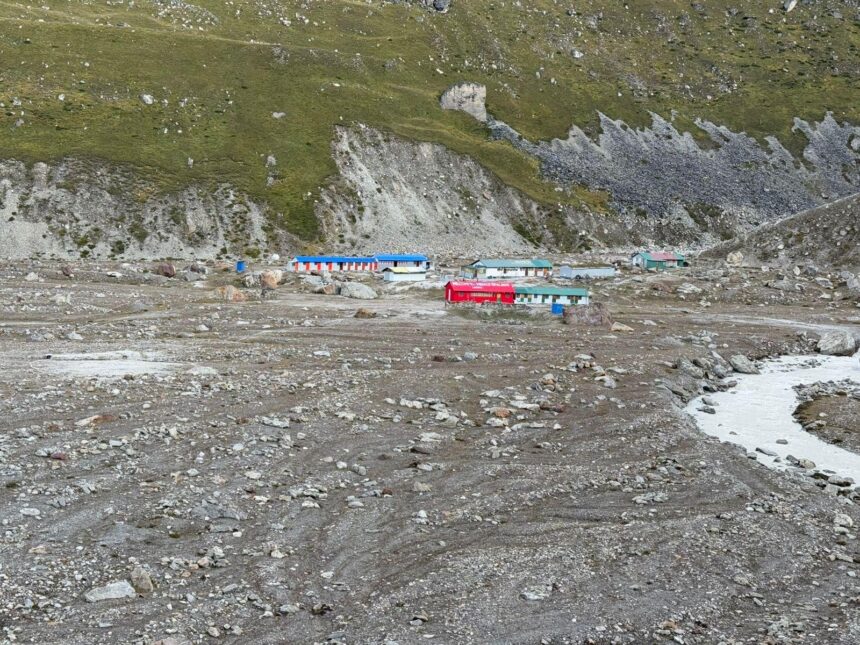
Every year, crowds head toward Everest Base Camp drawn by its wild mountain beauty. Among global hikes, few match what this path delivers – raw views without filters. Yet when snow seasons arrive, the cold becomes harder to ignore step by step. Frost slips into mornings, nights, even daylight up high. Lodging spots along the trail offer shelter but sometimes little heat inside. Winter days on the trail toward Everest Base Camp test every traveler. Staying cozy inside tea houses comes down to small choices that add up.
Meals rich in calories fuel internal heating systems naturally. Evenings often involve huddling near stoves lit by lodge owners. Preparation spreads beyond gear – timing matters just as much. Reaching shelters before dark avoids unnecessary shivering hours. Simple habits, repeated daily, shape survival in thin mountain air. Comfort hides in the details most overlook at first glance.
Cold Weather at Everest Base Camp Trek
When winter hits the Everest Area, it gets seriously cold. Sunlight brings a bit of relief during daylight hours – yet once shadows stretch across the valley, chill creeps in fast. Up above, where air thins and peaks tower, nighttime drops below -10°C (14°F), particularly between December and February. Along trails, small lodges called tea houses offer shelter; these spots feel warm inside, though more from company than heaters. Most lack proper heating systems, so sleeping spaces match the freezing world beyond their doors.
Tea houses tend to have tiny rooms – simple ones, just a bed, blanket, plus a little table. Walls might barely block wind, and insulation is nearly absent, so heat slips away fast. Because of that chill sneaking in, getting ready matters: pack right, layer up, keep warmth close during your mountain walk.
Sleeping Bags Add Warmth
Most tea houses hand out blankets, though they tend to fall short when nights turn icy, particularly between December and February. Warmth there depends less on what’s provided, more on what you bring yourself. The right sleeping bag makes all the difference once the lights go off. Look for one built to handle frost – something reliable down to at least -10°C (14°F). Cold resistance matters far more than weight or brand.
Lightweight down sleeping bags bring serious warmth without the bulk, so many hikers grab them first. When moisture shows up uninvited, synthetic versions keep working – warmth stays put even if things get wet. Toss in a liner now and then; it slips inside, quietly boosting heat where it matters. That little extra layer does more than most expect, trapping comfort through long nights. Floor chill sneaking under? A pad beneath builds a quiet shield, cutting cold before it climbs.
Use the common area
Warmth gathers in shared spaces where travelers meet after long walks. Fires burn inside old stoves, sometimes fed by wood, sometimes fueled by gas. Evenings unfold slowly near the heat, bodies thawing from mountain cold on Everest Base trek. Nighttime rest happens elsewhere, but comfort lives here awhile. Time passes more easily when others sit nearby eating or talking. The air smells of smoke and soup most nights. Sleep comes later, once warmth has soaked into the skin.
Warm meals and drinks at tea houses give a chance to recharge when it is cold. Hot tea, coffee, or soup does more than satisfy hunger – it helps hold heat in the body. Settling close to the stove with a cup makes the wait before bedtime feel lighter. The warmth spreads slowly, easing into bones as evening moves in.
Portable heater or hot water bottle
Warmth at night might matter more to some travelers. Should that apply to you, think about packing either a small electric heater or a flask filled with hot water. Inside your sleeping space, the little heater does help when temperatures drop. Yet such devices rarely show up in tea house supplies. Bringing one along becomes necessary then.
A warm bottle might be easier to get than you think. When bedtime comes around, pour heated water – maybe even from the kitchen kettle – into one of those rubber bottles and tuck it into your sleeping gear. The heat hits right away, making things cozy fast while you drift off. Wrap it tight so nothing spills during the night.
Proper Nutrition and Hydration
Warmth on your journey is closely tied to what goes into your mouth—staying fueled matters most when temperatures drop. A mix of carbs, protein, and good fats keeps heat coming from within. Sipping fluids steadily supports that effort just as much as food does.
Water matters just as much as food when keeping your body at the right temperature. When it is cold outside, fluids still leave your system without notice. Sipping often helps balance internal warmth even in frosty air. Alcohol gives a false sense of heat – soon after, chill sets deeper. Hydration stays steady best through plain drinks, not ones that trick the blood.
Tea House Selection Matters
Some tea houses stand up better to cold weather than others. Check ahead of time what you can expect by looking into details or chatting with your guide. Lower down, shelters often come with more comforts and heat. Up high along the trail, basic setups take over because nature turns rough.
Warmth matters when picking where to rest. Some spots use old-fashioned stoves, others rely on modern heaters instead. Rooms might have extra lining in the walls to keep heat inside. Electric throws could be offered if the cold feels too sharp.
Walk at Your Own Speed
Walking at just the right speed matters more than people think when trying to stay warm. A slow shuffle lets body heat slip away, leaving you shivering before long. Moving forward with a consistent rhythm helps get its warmth where it’s needed most. Rushing ahead drains energy fast, which weakens your ability to hold onto heat. Balance comes from pacing – not too quick, never dragging.
Plan for acclimatization and include rest days
Winter treks demand careful acclimatization – more so than usual. Cold air tightens its grip on how the body handles respiration. Rest breaks aren’t optional; they give your system space to adapt slowly. Altitude hits harder when temperatures drop, making pauses necessary rather than convenient.
Resting helps when getting used to high places. While temperatures drop, warmth keeps energy steady. Instead of pushing forward, pause inside a tea house. These shelters offer shelter from the wind plus space to sit quietly. Hydration matters as much as sleep does, then. Food refuels strength slowly throughout long afternoons. Warm broth beats cold drinks every single time. Focus shifts naturally toward small comforts instead of speed. The body adjusts when stress fades into background noise. Patience grows easier with each quiet hour passed.
Final Thoughts
Warmth inside tea houses on a winter trek to Everest Base Camp comes from smart choices. Layers help, so does packing a solid sleeping bag. Heat often pools where people gather – spend time there when possible—drinking enough water matters just as much as eating regularly. Picking lodges that catch sunlight makes nights easier. Moving slower than usual keeps your body heat steady. This trip pushes limits but gives back in views and quiet strength. Good planning turns freezing moments into ones worth remembering. Gear up right, rest when needed, and take in the peaks around you.