


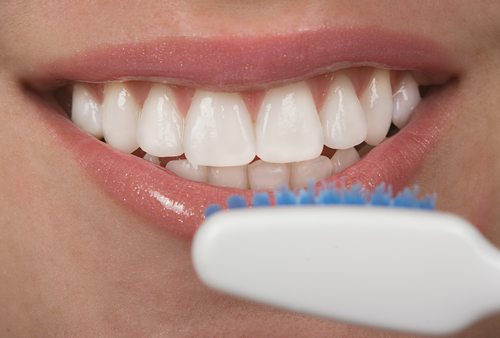
Maintaining oral health after cosmetic dental treatment is key to preserving appearance and function. Veneers are designed to be durable and long-lasting, but proper care is necessary to protect the underlying teeth and extend their lifespan. Here’s a closer look at how to care for teeth after getting veneers:
Caring for Veneers
Developing a consistent oral hygiene routine is the first line of defense for your new smile. You must treat veneers with the same level of care as your natural teeth to prevent plaque buildup and gum disease. The following daily habits are helpful for keeping your restoration in top condition:
- Brush your teeth twice a day using a non-abrasive toothpaste. Many whitening toothpastes contain abrasive particles that scrub away stains, but these particles can scratch the surface of a veneer.
- Floss daily to remove food particles and plaque from between the teeth. Flossing is fundamental for preventing decay in the natural tooth structure beneath the veneer.
- Use an antiseptic mouthwash to reduce bacterial levels without compromising the bonding agent. Alcohol-free mouthwash is the safest choice for patients with cosmetic dental work.
Adhering to these daily practices prevents common issues and keeps the surrounding gums healthy and pink.
Maintaining Veneers
Porcelain veneers are known for their resistance to staining, but this does not mean they are invincible. Highly pigmented foods and drinks can still affect the bonding material that holds the veneer in place. You should rinse your mouth with water after consuming teeth-staining items to minimize the contact time with your teeth.
The texture and hardness of food are also factors to assess when planning your diet. Biting into very hard foods can exert excessive force on the veneer, potentially causing it to chip or crack. You should cut hard foods like apples, carrots, or crusty bread into smaller pieces before eating them. Minimize the consumption of sugary snacks to lower the risk of cavities in the natural tooth behind the veneer.
Protecting Veneers Long-Term
Mechanical damage is a primary cause of veneer failure outside of normal wear and tear. Patients who grind or clench their teeth at night put excessive force on the ceramic shells. This condition is known as bruxism and can occur during sleep without the patient realizing it. A custom-fitted night guard creates a barrier between the upper and lower teeth, absorbs the pressure, and prevents the porcelain surfaces from grinding against each other. You must never use your teeth as tools to open packaging, bite fingernails, or chew on pens. If you also participate in contact sports, you should wear a sports mouthguard to buffer impacts that could fracture a tooth veneer.
Ongoing Dental Care
Regular visits allow the dentist to monitor the condition of the veneers and the health of the supporting gum tissue. Here are professional services you can include in your long-term maintenance plan:
- Schedule dental exams every six months to check for signs of failure or decay. During these visits, the dentist examines the margins where the veneer meets the tooth to make sure there is no leakage or separation.
- Undergo professional cleanings to remove hardened tartar that brushing misses. Hygienists use specialized instruments to clean around the veneers without scratching the surface.
- Ask for a specialized polish that restores the shine of the porcelain. A professional polish smooths the surface, and it restores the original gleam of the smile.
These appointments help address minor issues before they escalate into significant problems that require replacement.
Transform Your Smile With Veneers
Proper maintenance is fundamental for maximizing your veneers and your smile. You can make sure that your veneers remain pristine for many years by following a dedicated hygiene routine and avoiding harmful habits. Contact a qualified dentist in your area today to schedule your veneers appointment and learn more about this dental restoration.